01. Single-point-of-contact
Had SPOC on both sides which helped in expediting adoption of offshoring across different teams





We help firms set up their own captive offices in India – customized Global Capability Centers (GCCs) that function as direct extensions of their teams. We guide you through choosing the right model, setup, hiring, and operations to create a scalable, high-impact offshore presence.
Client Britain, a top-100 ranked CPA firm in the US, had previously attempted outsourcing with several vendors but faced limited success. In search of a long-term, sustainable offshoring partner, they partnered with Windy Street, who now serves as their exclusive offshoring provider.
| 50+ FTEs | Represents 10% of offshoring mix |
| 85%+ | professionals got promoted in the last 3 years |
| 95%+ | experienced professionals are from Big 4 |
| 15+ | inbound and outbound rotations |
| ~13% | average team attrition in the last 24 months |
Had SPOC on both sides which helped in expediting adoption of offshoring across different teams
Start small and gradually expand; this avoids excessive hiring / team right-sizing
Onshore team managers are very disciplined in submitting feedback forms / attending feedback calls
Helps in employee retention, developing personal relationships and expedites training process
Trust in Windy Street’s capabilities and leadership helped in avoiding conflicts and quick decision making
| Criteria | Dedicated Team Model | On-Demand Model |
|---|---|---|
| Teaming Structure | A dedicated team that works as a seamless extension of your in-house team | Temporary resource allocation for specific projects; no continuity beyond scope |
| Pricing Approach | Fixed monthly cost per Full-Time Equivalent (FTE) | Hourly billing or fixed-price per project |
| Onboarding Timeline | Typically 30-90 days | Rapid onboarding – usually within 15 days |
| Engagement Commitment | Minimum commitment of 3 months | No long-term commitment beyond the project scope |
| Team Selection | Full control – clients can interview and finalize team members | Not applicable – clients focus on outputs, Windy Street manages staffing internally |
| Best Fit Scenarios | Ideal for firms building long-term offshore delivery teams and seeking operational continuity | Best suited for short-term, ad hoc, or specialized project-based work |
| Scalability | High scalability option; planning ahead is important | Scaling requires new project agreements; not designed for ongoing expansion |
| Key Considerations | Requires consistent work volume to ensure optimal team utilization | Requires advance planning for resource allocation |
| Summary | Your offshore team, full control | Specialized advisory projects, rapid turnaround |

Saurabh Aggarwal co-founded Windy Street and leads the Financial Due Diligence (FDD) division, focusing on buy-side and sell-side transactions across various industries.

With over 16 years of experience in financial due diligence, Amit leads mid-market buy-side and sell-side healthcare deals at Windy Street. He previously supported U.S. healthcare transactions as a Senior Manager at a Big 4 firm.
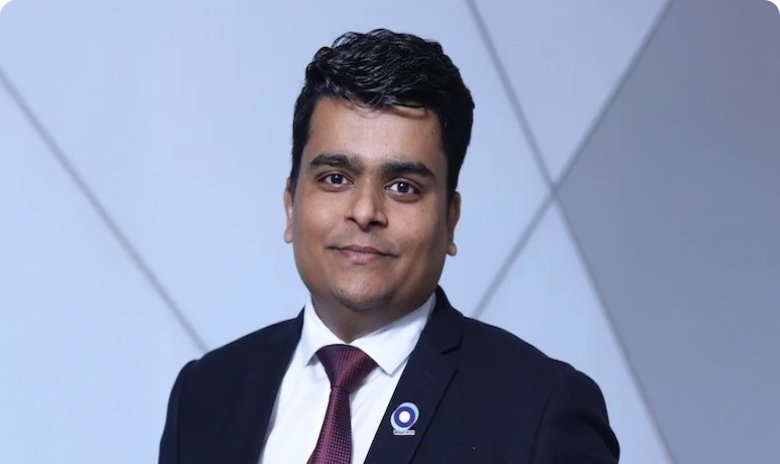
With over 12 years of experience and 75+ M&A deals, Siddharth leads key financial due diligence engagements at Windy Street. A Chartered Accountant, he brings deep cross-sector and cross-border expertise to buy-side and sell-side transactions.

Vibhor leads cross-border valuation and investment banking engagements at Windy Street, supporting M&A transactions across global markets. His work spans the US, EMEA, and APAC regions.

Having worked with Genpact, AXA, RBS, and Infosys, Avnish brings nearly 17 years of expertise in accounting, reporting, and audit. He oversees accounting and reporting initiatives at Windy Street.

Saurabh is a Cost Accountant, MBA, and IFRS-certified professional with expertise in finance transformation, reporting, and compliance.
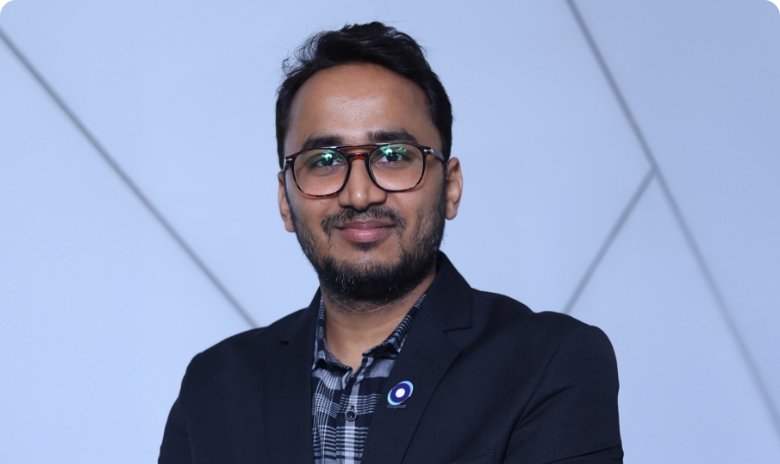
At Windy Street, Mohit leads audits for both listed and private clients, drawing on his background at PwC and EY. He also has experience across sectors including technology, real estate, and financial services.


What are the working hours of your offshore teams, and do they align with U.S. time zones?
Our offshore team members typically operate during standard business hours in India, from 10:00 AM to 7:00 PM IST. To support effective collaboration with U.S.-based teams, availability is extended until approximately 10:00 PM IST, which aligns with midday in the Eastern and Central U.S. time zones.
This working model ensures 3–4 hours of overlap with U.S. teams in Eastern and Central time zones, enabling smooth communication and coordination. For teams in Mountain and Pacific time zones, we are happy to accommodate early morning or late evening IST meetings based on mutual availability and team preferences.
Please note that we do not offer coverage for full U.S. business hours (i.e., overnight shifts in India), as we prioritize sustainable working conditions, employee well-being, and long-term retention.
What is the typical call cadence or communication rhythm with client teams?
At Windy Street, we recommend daily communication between client teams and our offshore team members to ensure alignment and responsiveness. While email remains a key channel, we strongly encourage the use of Microsoft Teams or Zoom for more effective collaboration, enabling real-time discussions, screen sharing, and stronger relationship-building.
Our standard communication rhythm includes:
Daily Touchpoints: Regular communication between individual team members to address ongoing tasks, questions, and deliverables.
Weekly Check-ins: Scheduled calls between team leads (Managers or Senior Managers) and onshore client teams to review project progress, upcoming priorities, team availability, and operational updates.
Monthly Leadership Meetings: Strategic discussions between Windy Street and client leadership, typically covering key metrics through a Management Information System (MIS) report. Topics include team performance, utilization, hiring plans, feedback, and the broader offshoring strategy.
This structured cadence ensures transparency, accountability, and a high level of engagement across all levels of the team.
Can we interview or approve offshore staff before onboarding?
Yes. As part of our hiring and onboarding process, clients have the opportunity to interview and approve offshore team members before they are assigned to their engagement. This ensures alignment with your expectations in terms of skills, experience, and team fit.
How long does it take to hire and onboard new team members?
The typical hiring and onboarding timeline ranges from 1 to 3 months, primarily due to standard notice period requirements in India. Most professionals are contractually obligated to serve a notice period of up to 90 days with their current employers before transitioning to a new role.
We proactively manage this timeline by maintaining a strong talent pipeline and, where possible, identifying candidates in advance to minimize delays.
What happens if an offshore team member leaves or is replaced?
While we place strong emphasis on employee engagement and culture to maintain low attrition, in the event that an offshore team member resigns, we will ensure a seamless replacement within 1 to 3 months.
All our employees are contractually required to serve a 3-month notice period, which provides us with adequate time to identify a suitable replacement and facilitate smooth knowledge transfer to ensure minimal disruption to your operations.

 Investment Banking Firms